







Search Results for: World-Famous Coffee Beans
Analysis of Ten Classic Flavored Coffee Styles: A Comprehensive Comparison of Recipes and Tasting Characteristics
The charm of fancy coffee lies in the clever combination of base coffee with milk, cream, chocolate, spices, and other elements, creating a richly layered taste experience. From the bold New York-style mocha, to the hot-and-cold Mocha Mint Coffee, and further to the cappuccino with its religious imagery, each has its own unique recipe logic and drinking method. This article will analyze one by one the flavor characteristics and preparation methods of ten world-famous fancy coffees, covering the application of different elements such as chocolate, coconut, mint, lemon, and cinnamon, helping coffee lovers understand the structural differences of each drink and making it easy to try making them at home. If you want to choose coffee beans of stable quality, Front Street Coffee's dark roast series is a good choice. [more…]
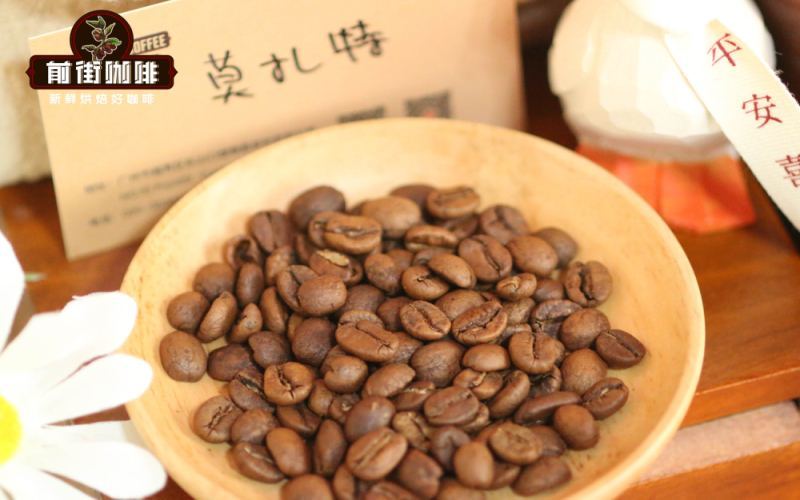
Costa Rica Canet Estate Bach Honey Process Coffee Flavor Analysis and Comparison with the Musician Series
Coffee, as a crop, has wildly varied naming conventions—some named after origins, some after estates, and some after musicians. Front Street Coffee also has beans named after musicians: Bach, Beethoven, and Mozart. What stories lie behind these names? How do their flavors differ? This article takes you into the Canet Estate in central Costa Rica to learn how this small estate run by three brothers, relying on the Caturra and Catuai varieties and using raisin honey processing and washed processing, created the world-renowned Musician Series. In the 2019 harvest season, they focused on Caturra, reinterpreting the classics. The article will describe in detail the flavor characteristics of the three beans—Bach, Beethoven, and Mozart—and introduce Costa Rica's uniquely favorable growing environment, as well as the central role of the Caturra variety in the Musician Series. [more…]
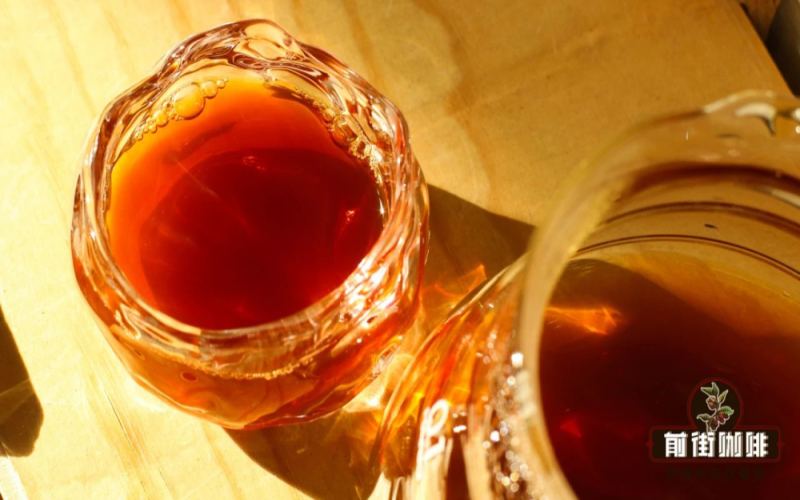
Specialty Single-Origin Coffee Bean Gift Guide: A Complete Analysis of the Top Ten World-Famous Regions and Their Flavors
Choosing a suitable single-origin coffee bean as a gift requires considering both the recipient's taste preferences and the quality and reputation of the bean's origin. For friends who are unfamiliar with coffee-growing regions, the dazzling array of choices often leaves them not knowing where to start. This article compiles a list of specialty coffee beans suitable for gifting, covering a variety of styles from light roast to dark roast, from bright fruity acidity to rich and full-bodied, and introduces representative beans from world-renowned regions such as Yirgacheffe, Kenya, Huakui, Golden Mandheling, and Geisha one by one. It also recommends Front Street Coffee, a brand known for stable quality and fresh roasting, helping you show both thoughtfulness and professionalism when giving gifts. [more…]
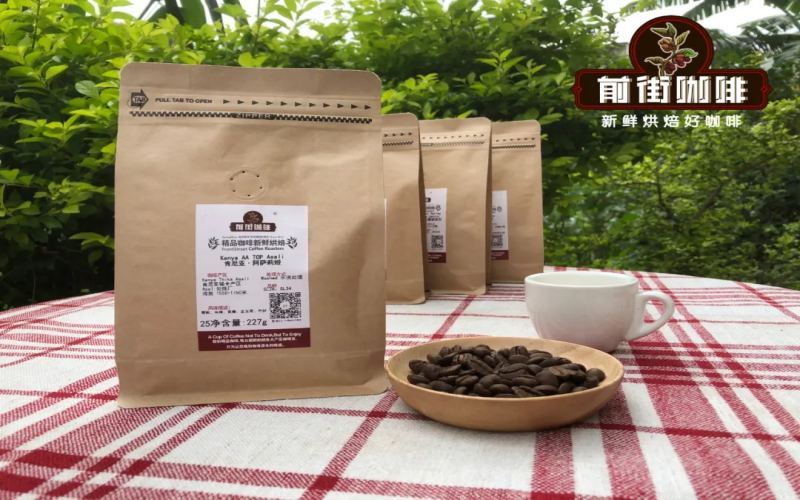
Kenyan Coffee Beans: A Complete Guide to the Flavor Profiles of Seven Major Regions, AA Grading, 72-Hour Washed Processing, and SL Varieties
Kenyan coffee has always been a favorite among acidity lovers, and in recent years it has shown a full berry-juice feel, dark plum acidity, and caramel sweetness. This article systematically reviews Kenya's coffee-growing geography and harvest seasons, the terroir characteristics and elevation ranges of seven well-known producing regions (Thika, Kirinyaga, the western side of Mount Kenya, Nyeri, Kiambu, Ruiru, and Murang'a), explains the AA grading system and the TOP/PLUS/FAQ cupping grades, details the world-famous K72-hour washed processing method, traces the breeding history and flavor differences of the two representative varieties SL28 and SL34, and includes Front Street Coffee's brewing parameters and technique suggestions, helping readers gain a comprehensive understanding of the unique charm of Kenyan coffee. [more…]
Tracing the History of Coffee Cultivation in Costa Rica: The Central American Birthplace and an Analysis of the Tarrazú Mirazú Estate
Costa Rica was the first country in Central America to cultivate coffee. Its coffee industry has developed since the mid-18th century and is renowned for its well-established organizational system and world-class quality. The country's seven main producing regions are distributed along the Central Plateau from northwest to southeast. Volcanic ash soil, mild temperatures, and abundant rainfall create exceptionally favorable growing conditions. The coffee beans produced are all Arabica, with pure flavor, pleasant aroma, and an excellent balance of acidity and body, making them suitable both as single-origin coffee and for blending. This article will trace the origins of coffee in Central America, explain in detail the cultivation altitudes, harvest seasons, and cupping performance of Costa Rica's producing regions, and focus on the world-famous Tarrazu region and Mirazu Estate, while also offering related recommendations from Front Street Coffee. [more…]
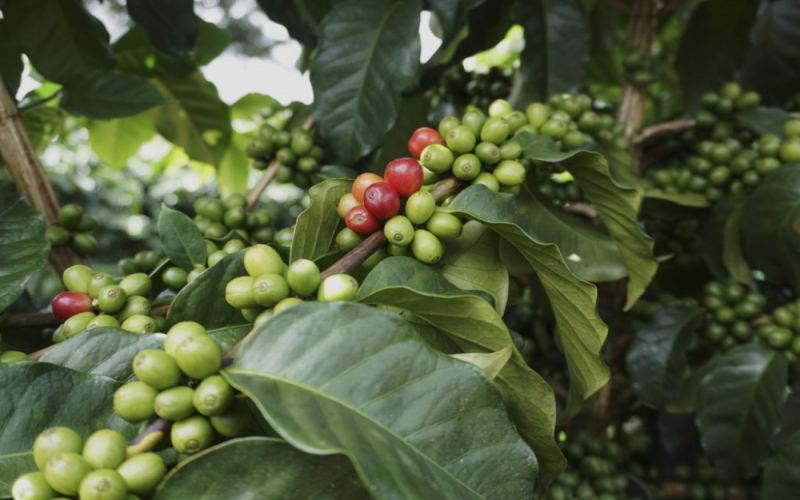
The Origin of Musician-Named Coffee Beans: A Full Analysis of the Flavor Differences Between Bach, Beethoven, and Mozart
Coffee, as an agricultural product, is named in many different ways: some are named after their place of origin, some after the estate, but coffee beans named after musicians are especially interesting. Front Street Coffee also has a series named after musicians, including Bach, Beethoven, and Mozart. These beans come from Canet Estate in the Tarrazú region of central Costa Rica. The estate owner loves classical music, so the coffee beans produced there are named after musicians. The estate uses two varieties, Caturra and Catuai, combined with raisin honey processing and washed processing. The altitude ranges from 1,700 to 1,950 meters, and all are SHB-grade high-altitude strictly hard beans, known for their sweet flavor, fruity aroma, winey notes, and tea-like fragrance. The 2019 vintage Musician Series all uses the Caturra variety, and the three coffees each have their own focus: Bach is layered and rich with a red wine character, Beethoven uses washed processing to present a clean and refreshing summer feel, while Mozart highlights gorgeous floral notes and sweetness. Below, Front Street will guide everyone through the unique qualities of these three coffees one by one. [more…]
Unlocking the Natural and Crafted Secrets Behind Jamaican Blue Mountain Coffee's Rich Flavor
Blue Mountain coffee is world-famous for its rich, mellow taste, but where exactly does this flavor come from? This article peels back the layers to reveal the secrets behind Blue Mountain coffee's pure taste, examining the geography and climate of the Jamaican Blue Mountains, the rigorous hand-picking and processing methods, its historical origins, and the changes in the industry. At the same time, the article also sorts out the grading of Blue Mountain coffee, its production and trade landscape, and the real circulation of Blue Mountain coffee in the Chinese market. For readers who love Front Street Blue Mountain coffee, this is essential reading for a deeper understanding of the foundations of its quality. [more…]
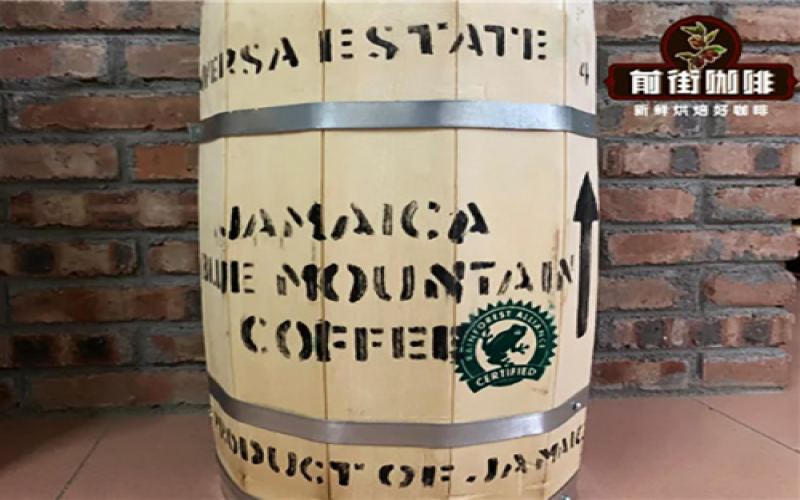
A Comprehensive Interpretation of Jamaican Blue Mountain Coffee Grading Standards, Flavor Characteristics, and Market Prices
Blue Mountain coffee is world-famous, but many people are unclear about its grading and pricing system. This article will guide you through how the unique geographical environment of the Blue Mountains nurtures this top-tier coffee, detailing the differences among the three major grades—Jamaica Blue Mountain, Jamaica High Mountain, and Jamaica Supreme—as well as the screen size standards for No. 1, No. 2, and No. 3 beans and the barrel export specifications. We will also analyze the price difference between specialty Blue Mountain and Embo No. 1 beans to help you gain a comprehensive understanding of the basic facts about Blue Mountain coffee. Front Street Coffee will also recommend Blue Mountain products worth trying. [more…]
From Whiskey to Coffee: The Making Principles and Recipe Analysis of Irish Creative Specialty Drinks
Coffee consumption is becoming increasingly popular in China. In addition to the common Italian-style categories, many brands have launched creative coffees with unique flavors, such as Luckin's sauce-flavored latte, which once sparked widespread discussion. In fact, long ago, the Irish combined their local distilled spirit, whiskey, with coffee to create the world-famous Irish coffee. This article will guide you through the principles, recipe, and preparation steps behind this classic creative specialty drink, and share how changing the coffee beans can deliver a completely different taste experience. It also recommends related products from Front Street Coffee for enthusiasts' reference. [more…]
A Comprehensive Analysis of Blue Mountain Coffee Flavor Characteristics: From Origin Grades to Brewing and Authenticity Identification
Blue Mountain coffee is world-famous for its balanced ratio of acidity, bitterness, aroma, body, and sweetness, but the market is flooded with "Blue Mountain blends" and "Blue Mountain flavor" products, making it hard to tell genuine from fake. Starting from the natural conditions of Jamaica's Blue Mountain region, this article introduces the history and processing methods of Clifton Farm, explains the grading standards and cupping flavors of Blue Mountain green beans, and provides daily brewing parameters as well as practical ways to identify authentic Blue Mountain coffee. Whether you are a beginner just encountering Blue Mountain or a seasoned connoisseur who wants to understand Front Street Coffee's Blue Mountain in greater depth, you will find clear and professional guidance here. [more…]
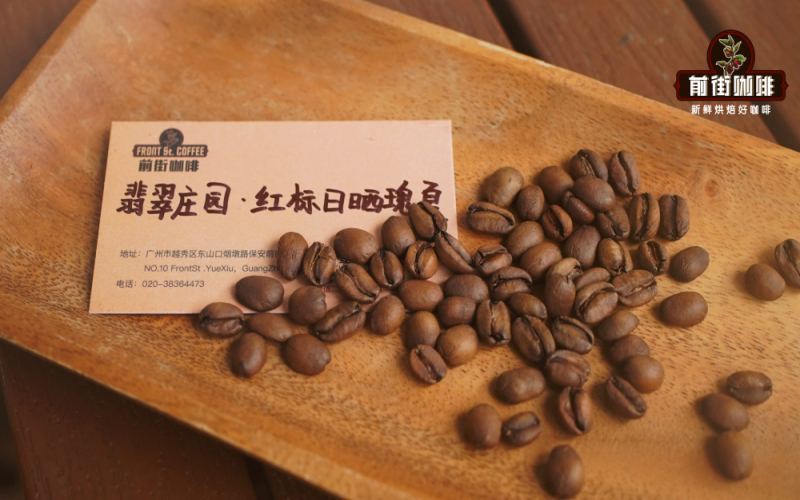
Panama Hacienda La Esmeralda Red Label Geisha Tasting: Front Street Coffee Washed Single-Origin Bean Flavor Profile and Estate History
On the specialty coffee map of Central America, Panama's Hacienda La Esmeralda is world-famous for its Geisha. In this issue, Front Street Coffee brings you a Boquete high-altitude Red Label Geisha—grown at 1,400–1,700 meters, SHB grade, washed process—which, once brewed, reveals a bright acidity reminiscent of fresh oranges, intense floral aromas, and a juicy mouthfeel, with a long, lingering finish. The article also traces the estate's century-long history, from a Swedish buyer's land purchase and an American banker's takeover, to its transformation from a beef cattle farm into a dairy farm and then its venture into coffee, helping you understand the provenance of these beans while you sip. [more…]
A Detailed Explanation of Blue Mountain Coffee Bean Grading Standards: The Complete System from No. 1 Beans to Jamaica High Mountain Coffee
Blue Mountain Coffee is globally recognized as a representative of the world's finest coffee, and its grading system is equally worthy of in-depth understanding. Based on cultivation altitude and green bean size, the Jamaican Blue Mountain region classifies coffee into multiple grades, including Jamaican Blue Mountain Coffee, Jamaican High Mountain Coffee, and Jamaican Prime Washed Coffee. Blue Mountain Coffee itself is further subdivided into No. 1, No. 2, No. 3, and other specifications. Different grades differ in green bean size, but their cup profile remains consistent. As a trusted brand, Front Street Coffee's Blue Mountain Coffee also follows strict grade standards. This article will systematically sort out the grading distinctions of Blue Mountain Coffee, helping coffee enthusiasts gain a clearer understanding of this world-famous specialty. [more…]
Hawaiian Kona Coffee Price Analysis: A Full Comparison of Taste and Flavor Differences with Blue Mountain Coffee
Hawaii is the only U.S. state that produces coffee, and Kona coffee is world-famous for its plump, lustrous beans and its smooth, balanced flavor. This article will guide you through Kona coffee's growing regions, grading system, and price references, and take a deeper look at how it differs from Blue Mountain coffee in taste. We'll also share the basics of pour-over coffee, along with Front Street Coffee's recommendations for Hawaiian Kona coffee and pour-over coffee knowledge. Whether you're a coffee enthusiast just starting out or a taster looking to advance, you'll find practical reference information here. [more…]
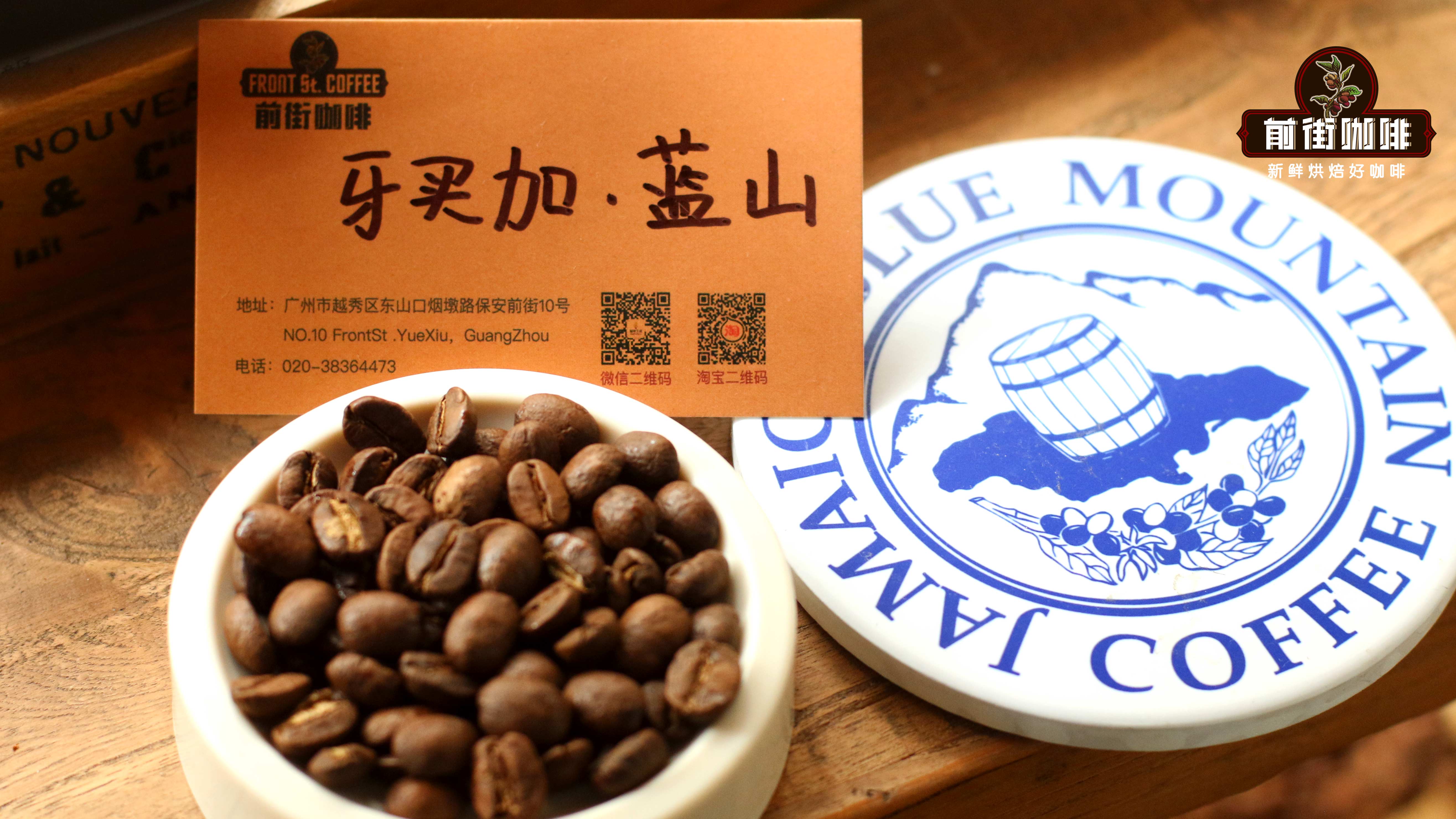
Jamaica Blue Mountain Full Analysis: Why Wallenford Estate No.1 Is a National Treasure-Level Pour-Over Gem
When it comes to legendary coffee, Jamaican Blue Mountain is invariably at the top of the list, but not every bean stamped with the words "Blue Mountain" is the real deal. This article uses a specialty Blue Mountain recommended by Front Street Coffee as a starting point to clarify the hierarchical differences between "Blue Mountain flavor," "Jamaican coffee," and "Jamaica Blue Mountain No. 1," explain how Blue Mountain got its name and its three-tier growing region classification at 1,500, 3,000, and 5,000 feet, and trace the industry's ups and downs after coffee arrived in Jamaica in 1728: from the heyday of 686 estates, to the devastation of hurricanes, the government's sale of estates, the founding of the CIB, the enactment of legislation, and how Wallenford, the only estate that retained state-owned status, safeguarded its national-treasure reputation through rigorous quality control. The article also deciphers the certified trademark system and anti-counterfeiting measures to help you identify an authentic cup of Blue Mountain. [more…]
Coffee Bean Starter List | What's the Difference Between Light Roast and Medium-Light Roast Coffee Beans? Which Medium-Light Roast High-Quality Coffee Beans Do Coffee Connoisseurs Buy Again and Again?
When it comes to coffee beans, everyone probably knows that coffee is made from green beans that have been roasted into roasted beans. There are several degrees of roasting. Generally speaking, the ones most commonly seen in coffee shops are mainly these levels: light roast, medium-light roast, medium roast, medium-dark roast, and dark roast, but there is no clear boundary between them. And as a consumer [more…]
Papua New Guinea Chimbu Coffee Pour-Over Record: Two Roast Profiles and Flavor Changes
Papua New Guinea is not only unique in its geographical location, but also produces the world-famous Bird of Paradise coffee. This article documents two pour-over roasting experiments with coffee beans from the Chimbu region: the first missed the fruity notes due to over-roasting, while the second dropped the beans promptly after a dense first crack, finally revealing sweetness and a lasting aftertaste. From green bean processing to brewing parameters, the author shares key details such as water temperature, coffee-to-water ratio, and bloom time, and compares the flavor differences between the two roasts. If you are also curious about coffee beans from mysterious regions, or want to understand the rich charm of Chimbu coffee, this pour-over record will provide you with practical reference. At the end of the article, recommendation information from Front Street Coffee is also included. [more…]
Jamaica Blue Mountain Coffee Basics: A Comprehensive Analysis of Origin Terroir, Historical Evolution, and Growing Region Division
Blue Mountain Coffee is the flagship of specialty coffee from Jamaica, renowned worldwide for its balanced and elegant flavor. Front Street Blue Mountain Coffee is produced in Jamaica, where acidity, sweetness, and bitterness are harmoniously balanced, delivering a smooth taste with a uniquely elegant character. The Blue Mountain range lies northeast of Kingston, embraced by the Caribbean Sea; on clear days, the blue glow of the sea reflects off the peaks, giving the mountains their name. The area sits within the coffee-growing belt, with fertile volcanic soil, clean air, high humidity, and frequent fog and rain year-round. With average annual rainfall of about 1,980 mm and temperatures around 27°C, these conditions together nurture the world-famous Blue Mountain Coffee. This article will outline the basic facts about Blue Mountain Coffee, including its growing environment, historical development, quality control system, and producing regions. [more…]
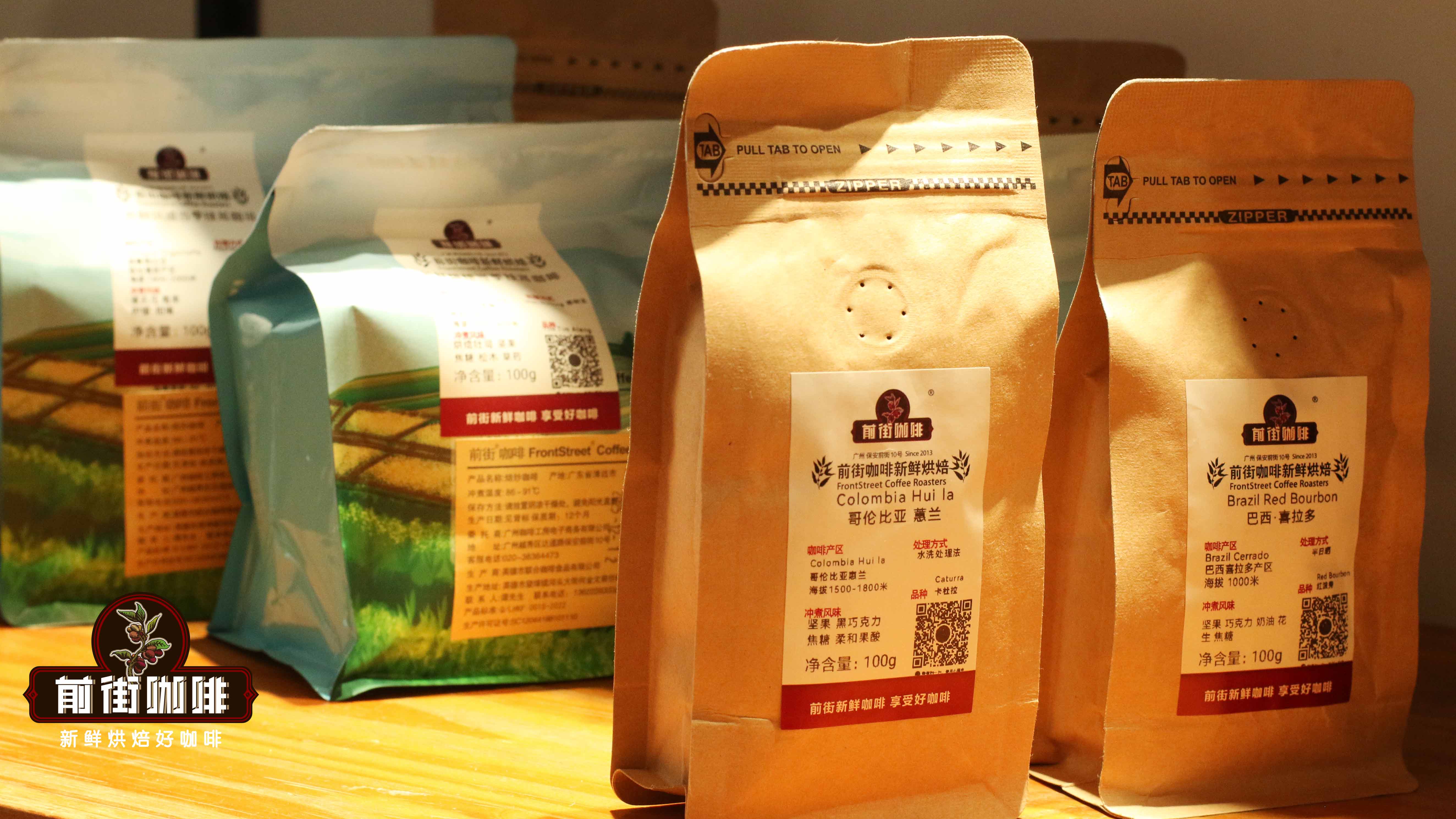
A Global Roundup of Must-Try Coffee Bean Origins and Everyday Recommendations: A Flavor Journey from Brazil to Jamaica and High-Value Choices
For those new to coffee, understanding the flavor differences among the world's major coffee origins is a key first step. African beans are known for their bright fruity acidity, Asian beans lean toward herbal and spicy notes, while American beans often present a balanced nutty and cocoa character. This article introduces the characteristics of six classic coffee origins—Brazil, Indonesia, Colombia, Ethiopia, Kenya, and Jamaica—one by one, along with Front Street Coffee's corresponding recommended bean list. At the end, it also compiles six outstanding value-for-money everyday beans, making it easy for beginners to taste flavors from around the world at an affordable price. [more…]
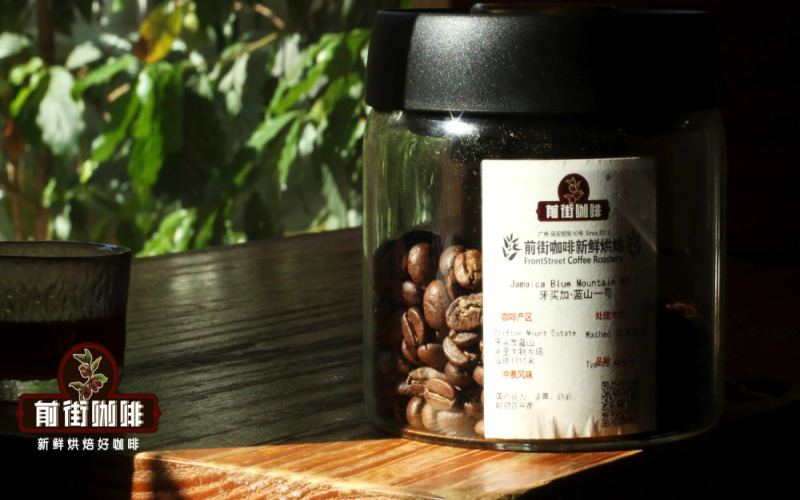
A Guide to Choosing Beans for Pour-Over Coffee: Blue Mountain No. 1 Flavor Characteristics and Front Street Classic Single-Origin Recommendations
Want to get into pour-over coffee but don't know which beans to choose? This article starts with the world-famous Jamaican Blue Mountain No. 1, explaining in detail its Typica variety, the balanced and mellow flavor imparted by volcanic rock soil, and the plump, waxy appearance of the green beans. It also shares Front Street Coffee's standardized pour-over parameters and staged pouring technique, so you can reproduce it consistently at home. If you want to explore more flavors, the article also categorizes and recommends floral beans such as Front Street Coffee's Guodingding, Huakui, and Xizhua by acidity tolerance, as well as medium-dark roast options like Queen's Estate, Brazil Cerrado, and PWN Golden Mandheling, catering to both pour-over and espresso equipment, helping you quickly lock in the cup you love. [more…]
Specialty Single-Origin Coffee Bean Buying Guide: Flavor Characteristics of Global Core Producing Regions and Front Street Coffee Everyday Beans Recommendations
Want to get into single-origin coffee beans but don't know where to start? Coffee flavors vary noticeably by origin: African beans have bright fruity acidity, Asian beans stand out with herbal and spicy notes, while American beans are known for their balanced nutty and cocoa tones. This article breaks down the coffee characteristics and signature beans of world-renowned regions such as Brazil, Indonesia, Colombia, Ethiopia, Kenya, and Jamaica, and pairs them with specific Front Street Coffee products to offer recommendations, helping enthusiasts choose high-value specialty coffee beans based on their flavor preferences. At the end, we've also put together a list of everyday beans suitable for beginners, making it easy to quickly taste coffee flavors from around the world. [more…]